
5.8 The Use & Operation of a Automated External Defibrillator

AED Operation
Programmable for local guidelines
Preset Energy Protocols
Voice Prompts To Operators for analyse, stand clear
shock advised, check patient, perform CPR
Prompts for Motion Detection
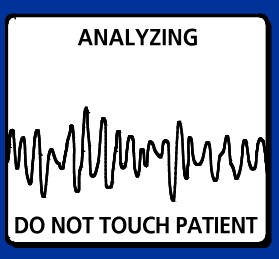
Auto Analyses Continuously or At Intervals
Analysis between 3 and 8 secs.
Recognises VF and VT as Shockable
Charges ready for shock to be delivered
Energy Delivery is by Adhesive electrodes

1- Assess for Danger
Check the area is safe for you first of all.
Check to see if area is safe for patient.
Check area to see if it safe for the use of AED.
Patient is dry and not laying in damp or wet area.
Patient is not laying on any metal surfaces.
Bystanders or assistant are not touching the patient

2/ – Confirm if the Patient is in Cardiac Arrest
Check for signs of life.
Check DRSABCD.
Check patient response.
Check airway.
Check for no breathing or
not breathing normally.

3/ – Prepare Patient For Defibrillation
Immediately expose patients’ chest.
Remove clothing to have clear access
to chest area, including clearance of chains, bra etc.
If patient has excessive hairy chest, trim hair with scissors

4/- Prepare the AED
Remove Defibrillation pads from pack.(check in date)
Remove protective backing form pads and place pads on patients’ chest as shown on pack.
Ensure pads are connected to device.
Apply Defibrillation Pads To Chest
Ensure no air pockets or creases in pads


5/- Use of the AED
Prepare the AED
Turn on defibrillator, allow self checks.
Follow the prompts
Rhythm Analysis:
Ensure no one is touching patient.
Allow machine to analyse rhythm
Follow voice prompts from machine.
