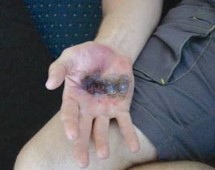
An electric shock occurs when a person comes into contact with an electrical energy source. Electrical energy flows through a portion of the body, causing a shock. Exposure to electrical energy may result in no injury at all or may lead to devastating damage or even death. Burns are the most common injury resulting from electric shock1. Here are some key points about electric shock:
Causes:
Faulty appliances
Damaged or frayed cords or extension leads
Electrical appliances in contact with water
Incorrect, damaged, or deteriorated household wiring
Downed powerlines
Lightning strikes
If domestic 240 volt:
Switch off at wall socket or main switch
Remove lead from socket
If industrial power or overhead power source unknown
Do not attempt rescue until appropriate authority isolates power
Signs and Symptoms
Burns at the entry and exit points
Disrupted nerve function causing paralysis
Swelling of the airway
Muscular tenderness and twitching
Difficulty breathing including respiratory arrest
Anxiety and irritability
Altered consciousness or unconsciousness
Convulsions in severe cases
Irregular pulse or cardiac arrest
Management
DRSABCD
Cool area of entry/exit burns
Cover with non-stick burns dressing (glad wrap)
Observe for changes of conscious state
Treat shock if exists
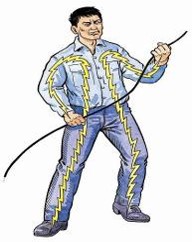
Electricity enters the body and finds a pathway to the earth, damaging muscles and nerves as it does so.
Manage as for other burns except:
The patient needs to be transported to hospital
Must be cardiac monitored for minimum 4 hours
Login
Accessing this course requires a login. Please enter your credentials below!