Value and respect diversity and inclusiveness across all areas of work
Diversity and inclusiveness
Australia is made up of hundreds of different First Nations countries, which have been visited by people from places like Indonesia, Papua New Guinea, and in later centuries from European countries until the British claimed the entire continent as their own in 1770.
To better understand the diversity of communities across the country, please have a look at the AIATSIS website here. The Tindale map has been used for many decades as a guide to better understand language groups and communities.
From the north to the south, the continent now known as Australia has been witness to the convergence of many different peoples from different lands and cultural backgrounds. Immigration – both formal and less formal over the centuries – has resulted in the development of a diverse society.
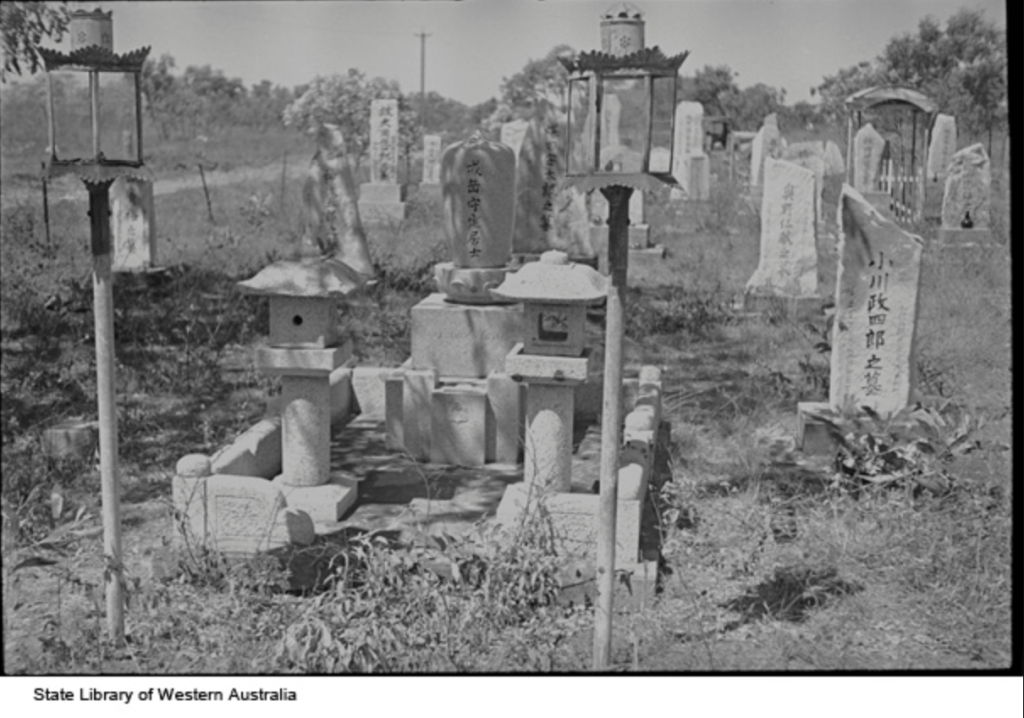
Migrant populations have influenced the way our society functions in various ways, such as arts and art forms, music, food and food styles, entertainment, religion and spiritual affiliations, clothing, building styles, books, crafts, interior decor, schooling etc have all contributed to the current rich variety of life that we now enjoy. Increased access to world travel and virtually instantaneous global communication has also added to, and expanded, our culture and cultural outlook.
Workplaces in Australia can tap into a rich and beneficial diversity that, if managed well, contributes to organisational success and to a rich workplace culture. Managers, supervisors, team leaders and workers must demonstrate respect for diversity in a range of activities and situations including, but not exclusive to:
- Dealing sensitively with persons of diverse race, ethnicity, class, ability, sexual preference and age.
- Working and dealing equitably with people of different genders.
- Accomodating cultural and spiritual needs of clients.
There must be suitable policies, procedures, frameworks and instruments used to encourage and support diversity. Strategies used to eliminate bias and discrimination int he workplace will be grounded in legislation. From the appropriate legislation organisational policies and procedures will be developed. All staff must comply with these policies and procedures.
Breaches of legislation or responsibilities not being carried out can result in litigation, and loss of a job.
Community service organisations will also be bound by industry and organisational codes of ethics/practice which provides guidelines for the behaviour of staff. These codes are not enforceable by law but they carry an expectation of compliance.
The Universal Declaration of Human Rights – a declaration adopted by the United Nations General Assembly on 10 December 1948 – supports the ideology that “All human beings are born free and equal in dignity and rights. They are endowed with reason and conscience and should act towards one another in a spirit of brotherhood”.
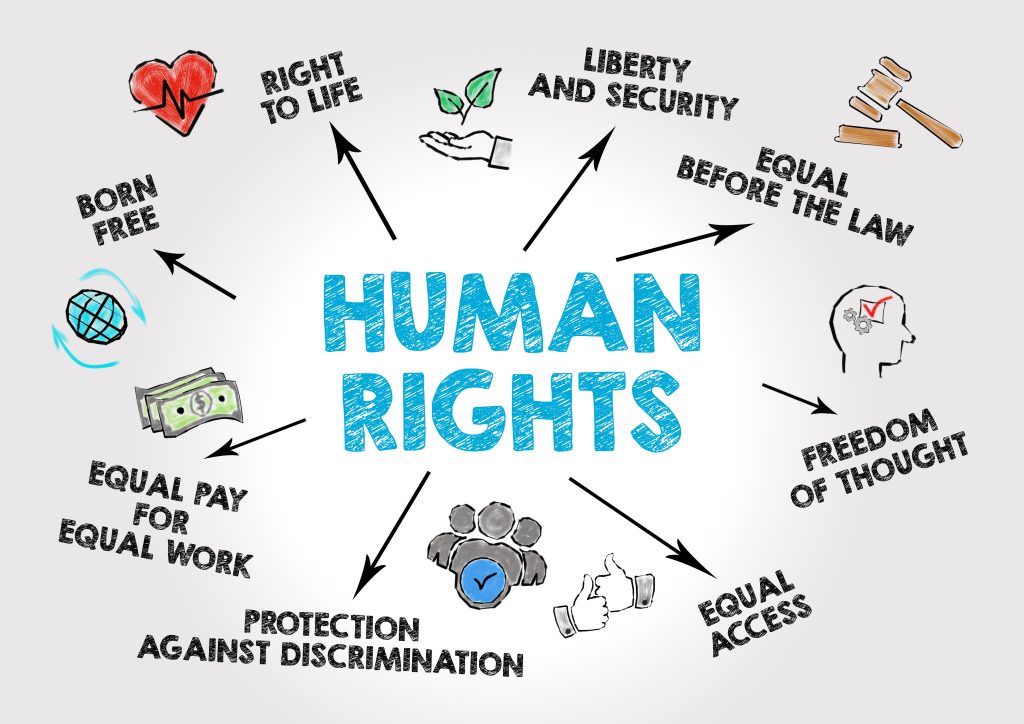
It sets out a number of Articles which people should comply with if they are to uphold the philosophies of equality and human rights for all. It refers to human, economic, social, cultural and political rights that support physical integrity, personal liberty and security, procedural fairness, non-discrimination, autonomous equality, privacy, freedom of religion and expression, the right of marriage, sanctions against inciting hatred, consensual sexual activity, the rights that all people have, to enjoy their own culture, religion and language etc. Human Rights are inalienable, basic freedoms and protections to which all people are entitled.
In all areas of work it is necessary to value and respect diversity. To build relationships with diverse people it is necessary to appreciate diversity, understand the need for inclusivity and value diversity.
For managers and supervisors to ensure that workplaces are inclusive, they and the employees in the workplace need to understand what inclusivity mean. They must contribute to the development of workplace and professional relationships based on appreciation of diversity and inclusiveness.
In a socially inclusive society people feel valued and valuable, regardless of their diverse characteristics. Differences are respected and people are allowed to live their lives in the way that best meets their needs.